


Why Reel and Winding Technology Requires Rotating Unions
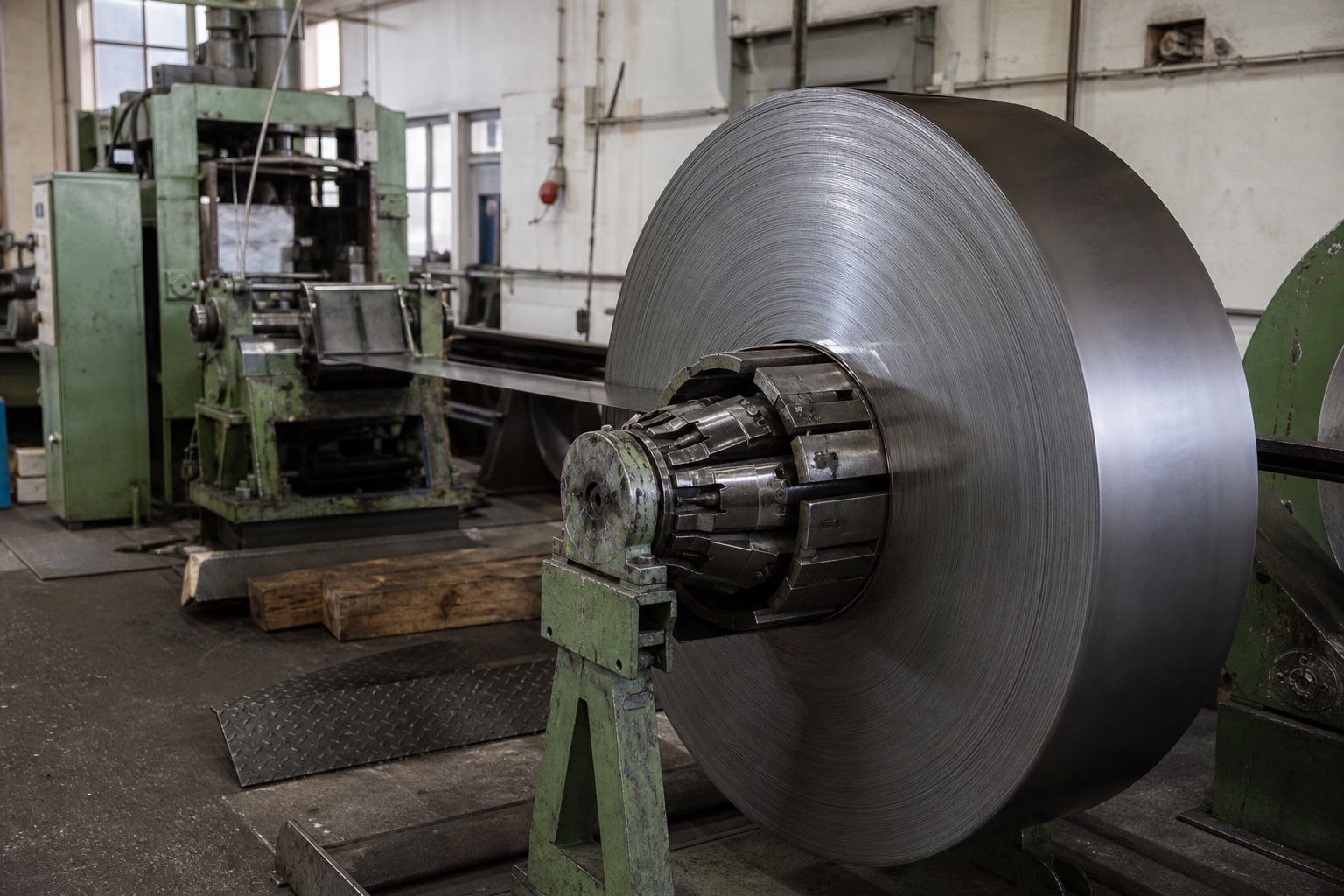
Reel and winding technology plays a central role in numerous industries. Whether it’s steel strip, aluminum coil, paper web, plastic film, wire, cable, or textiles—wherever materials are continuously wound or unwound, precision machinery is indispensable. Modern systems often operate continuously and achieve high web speeds.
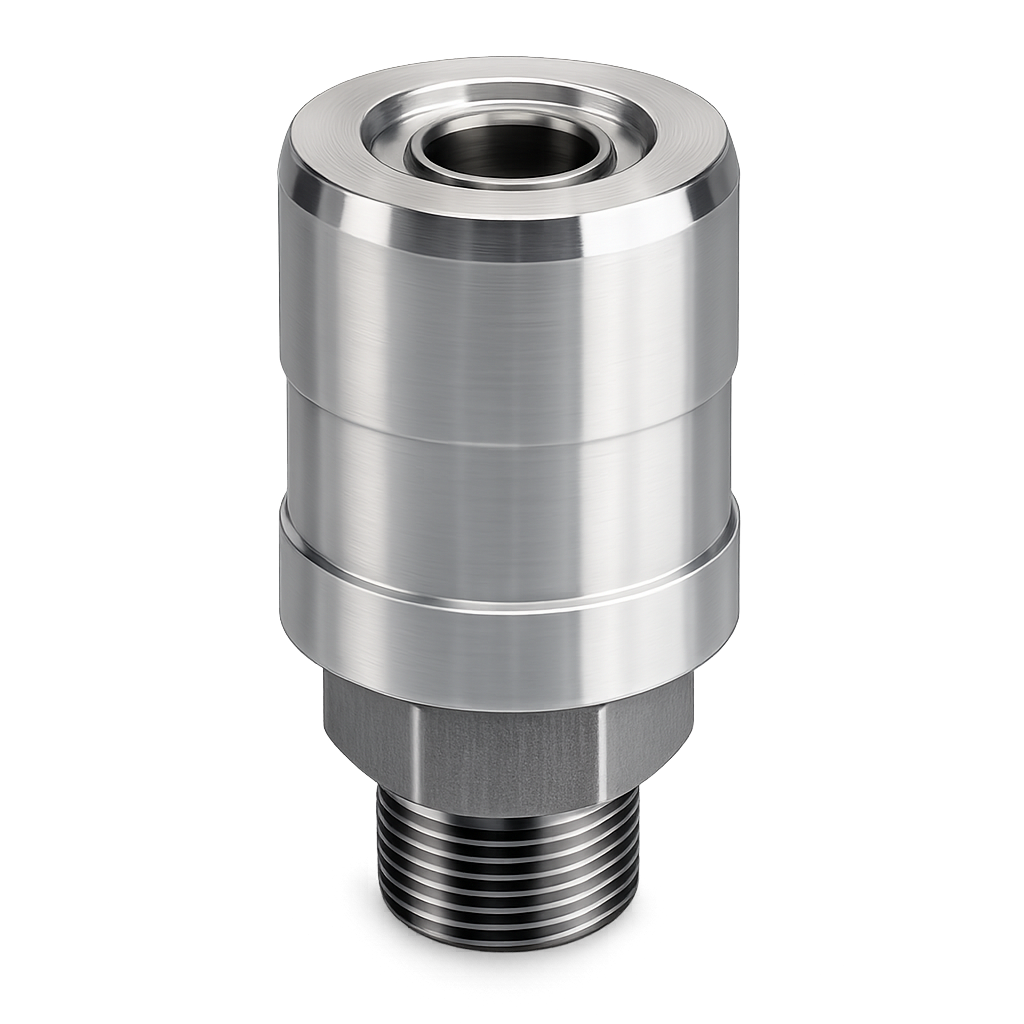
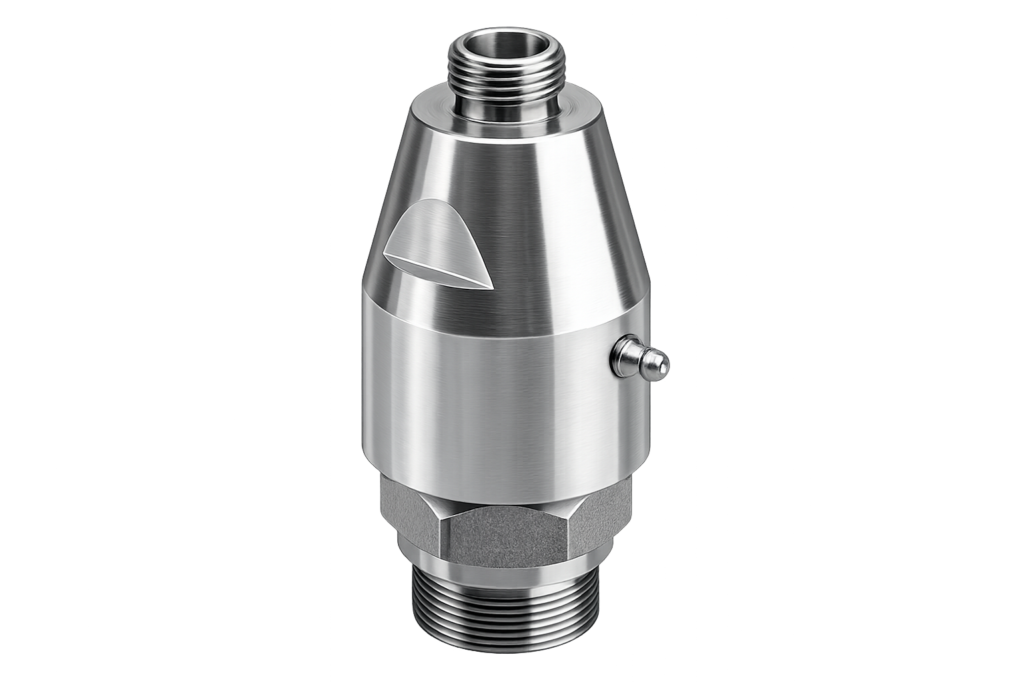
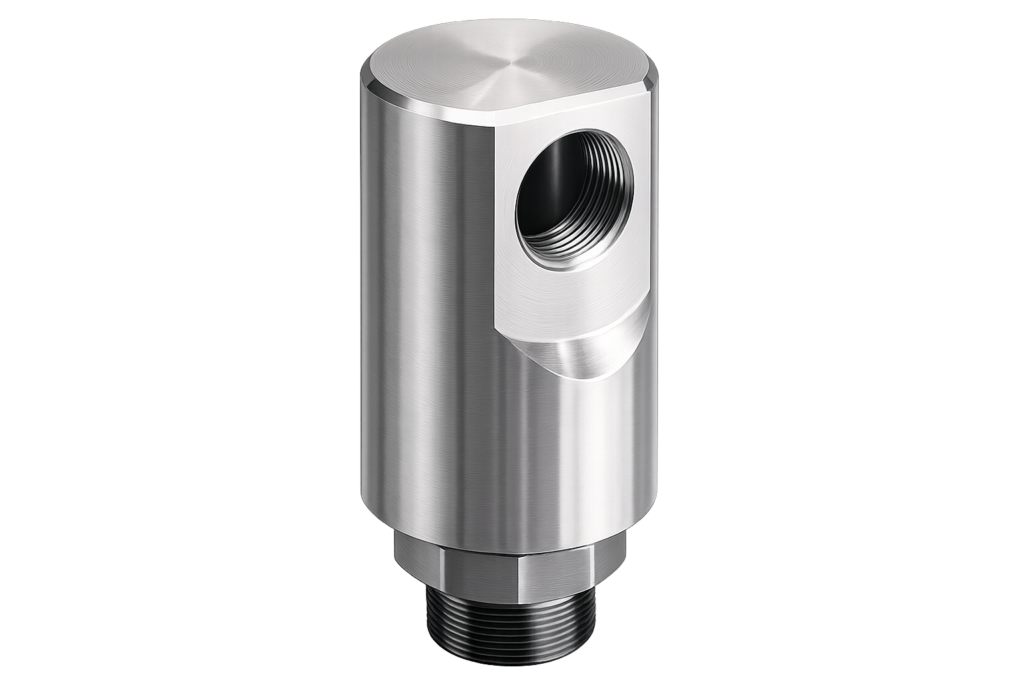
Rotary unions are used to ensure that winding shafts, reels, and tensioning systems can be reliably supplied with compressed air, hydraulic oil, or other media even while rotating. They connect stationary media lines to rotating machine components and ensure safe, continuous media transfer.
Winding systems must maintain constant web tension to prevent wrinkles, material tears, or dimensional deviations. Pneumatic or hydraulic tensioning systems therefore require a reliable supply of media even during continuous rotational motion. Rotating unions perform this task consistently and reliably.
Typical media
Media TransmissionMore Media
Lubricants, protective gases, and special process media.
Typical areas of application
Spreading waves
Compressed air or a hydraulic system reliably tightens the winding core.
Unwinding reels
Reliable tension for consistent unwinding of large rolls of material.
Winding Reels
Consistent tension ensures high-quality winding results.
Conveyor Systems
Supply of rotating clamping and cooling systems.
Film and Plastics Processing Equipment
Precise winding tension improves product quality.
Cable and Wire Industry
Continuous supply to pneumatic clamping systems.
Advantages of High-Quality Rotary Joints
Reliable Media Transmission
Constant clamping forces
High process reliability
Long service life
Low maintenance requirements
High Tightness
Reduced Downtime
Cost-Effective Plant Operation
Selecting the Right Rotary Joint
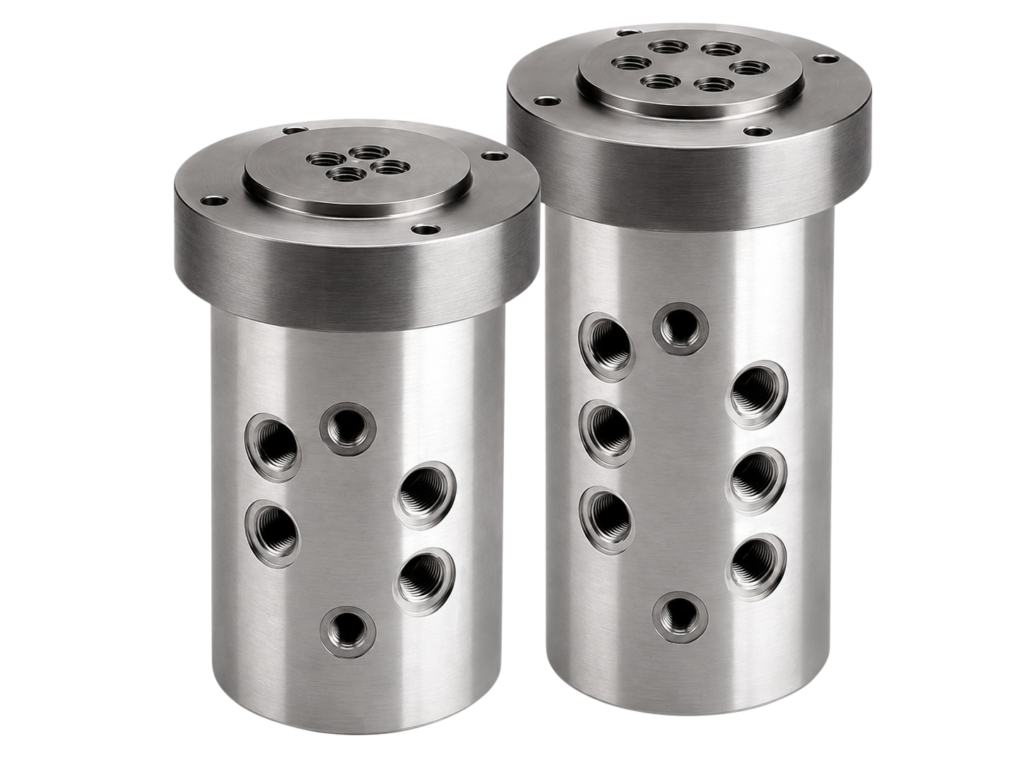
Typical designs: Depending on the application, single-channel or multi-channel rotary unions are used. Multi-channel designs allow for the simultaneous transfer of multiple media and reduce the space required inside the machine.
Requirements: high rotational speeds, continuous operation, high sealing performance, robust construction, and a low-maintenance design.
Selection criteria: medium, operating pressure, speed, clamping system, material, seal materials, temperature range, and installation space.
Maintenance and Service Life: Regular visual inspections, clean media, and adherence to the permissible operating parameters extend the service life and minimize unplanned downtime.