


Why Rollers and Presses Need Rotary Joints
Rollers and presses are among the most important components in numerous industrial manufacturing processes. Whether in the paper industry, plastics processing, metalworking, the textile industry, or food production—wherever materials are rolled, pressed, calendered, or continuously processed, roller systems are used. Many of these rolls must be heated or cooled during operation to ensure consistent process conditions and consistently high product quality.
In many production facilities, rollers rotate continuously while simultaneously requiring heating or cooling. Without a suitable connection between the stationary media supply and the rotating roller, this would not be possible—flexible hoses would twist, wear out, or tear after just a few revolutions. Rotary unions provide a permanent solution to this problem: They enable continuous and safe media transfer during rotation and ensure that the desired temperature is maintained consistently inside the roller.
Their functions include heating and cooling rollers, supplying thermal oil, supplying steam, circulating water, returning condensate, and transferring other process media.
Typical media
Media TransmissionSteam
The most common heating medium in industrial rolling mill systems—it enables rapid and uniform heating of the roll at high temperatures and pressures.
Water
Serves as both a heating and cooling medium. Uniform cooling prevents thermal stress and improves product quality.
Thermal oil
Allows for high operating temperatures without high pressures—requires rotary unions that are particularly resistant to high temperatures.
More Media
Cooling fluids, heat transfer oils, compressed air, nitrogen, and special process media.
Typical areas of application
Paper Industry
Drying cylinders are heated with steam. Rotary unions handle the steam supply and condensate drainage.
Plastics Industry
Calender and cooling rolls are precisely temperature-controlled.
Metalworking
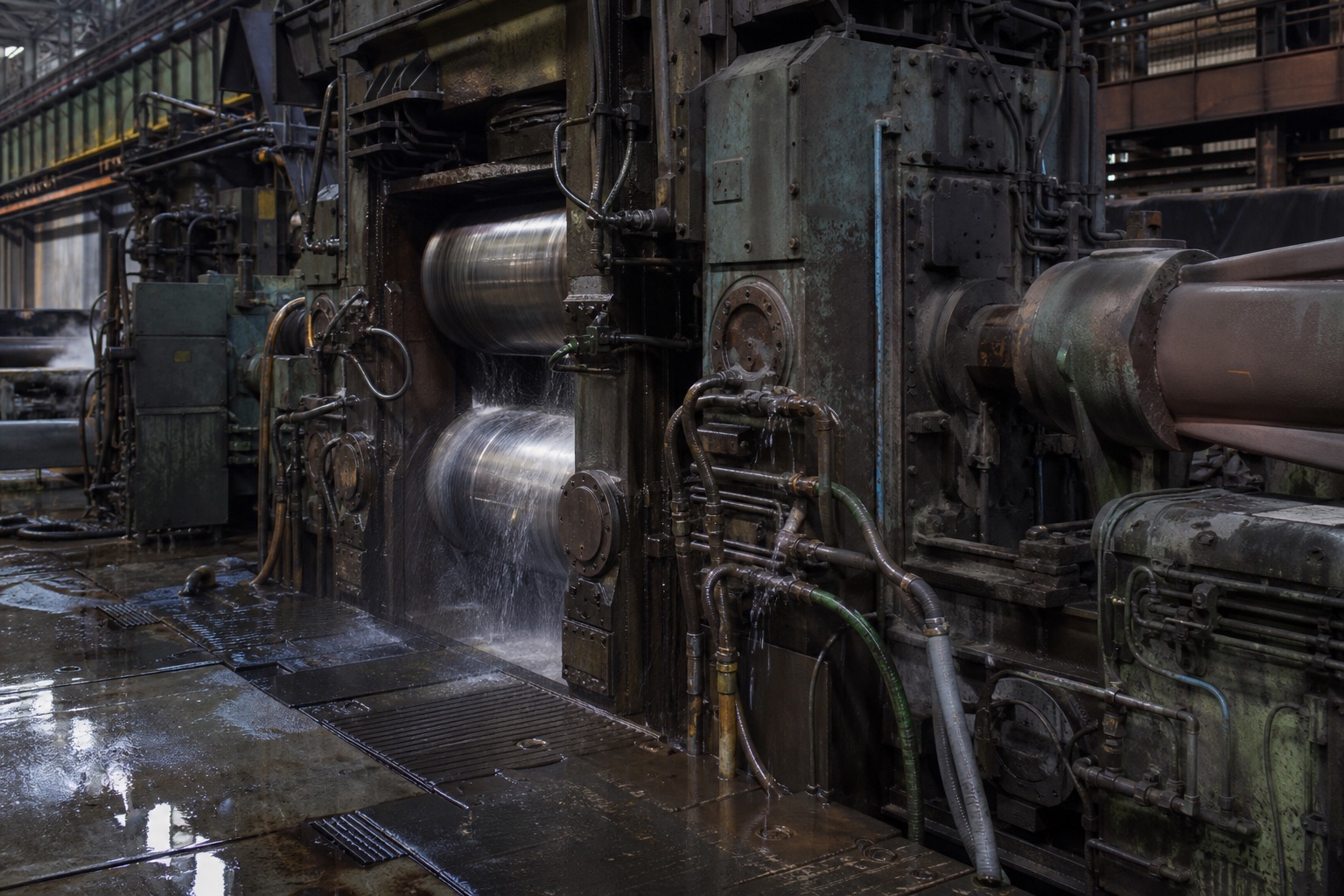
Rolling mills and straightening lines use heated or cooled rolls.
Textile industry
Tempered rollers ensure consistent quality.
Food industry
Tempered rollers are used in the rolling, coating, or cooling of food products.
Advantages of High-Quality Rotary Joints
Reliable Media Transmission
High operational reliability
Durable Sealing Systems
Low maintenance requirements
High temperature resistance
High pressure resistance
Low wear
Compact design
High Energy Efficiency
Reduced Downtime
Cost-Effective Plant Operation
Selecting the Right Rotary Joint
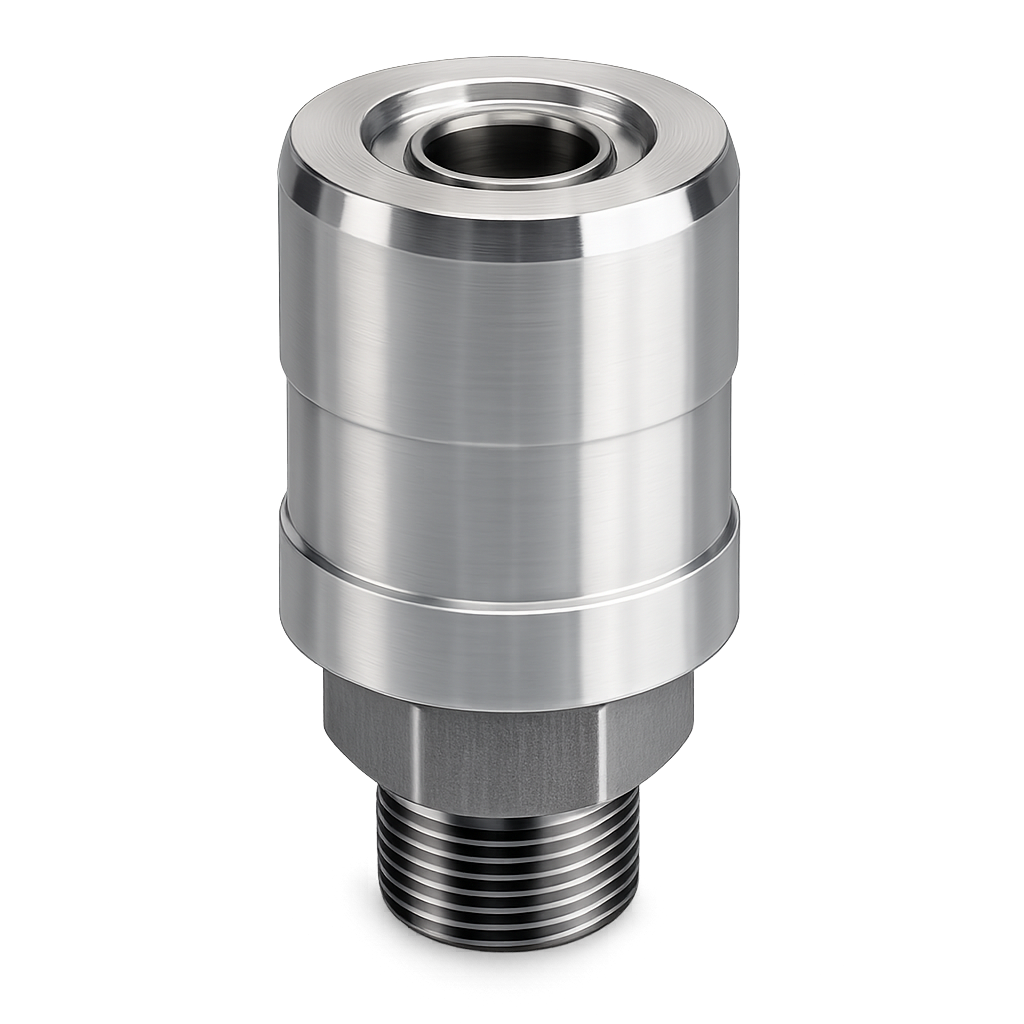
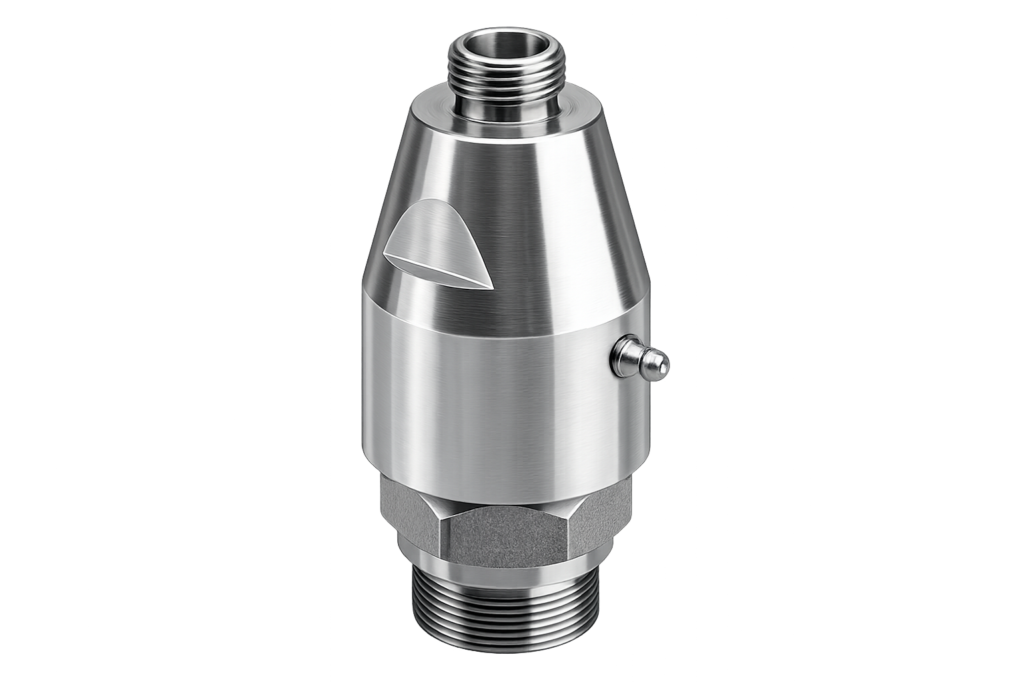
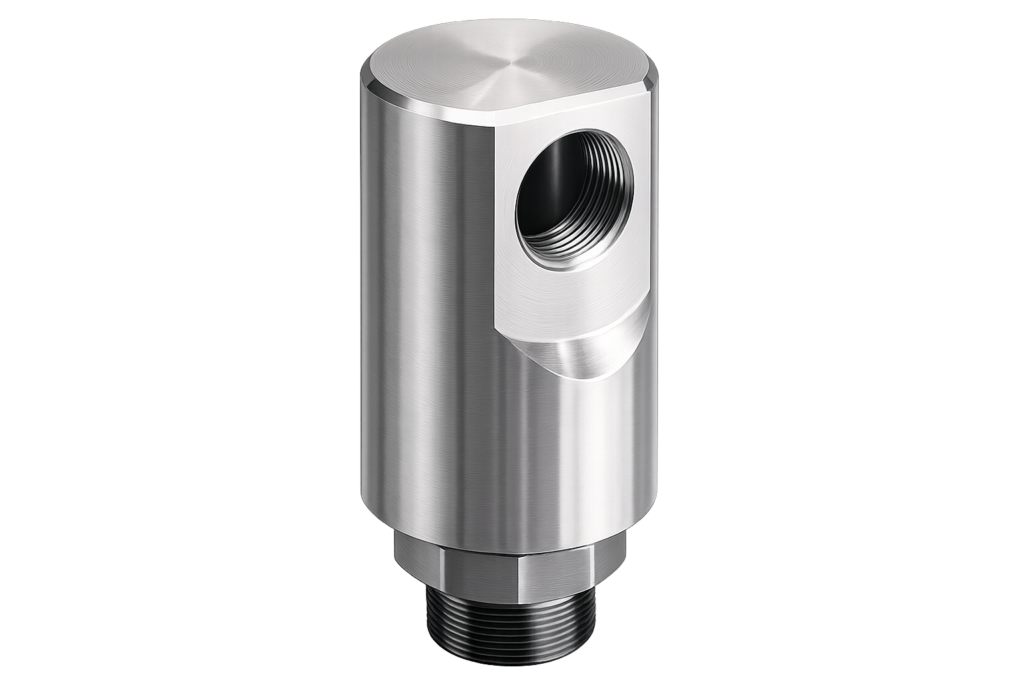
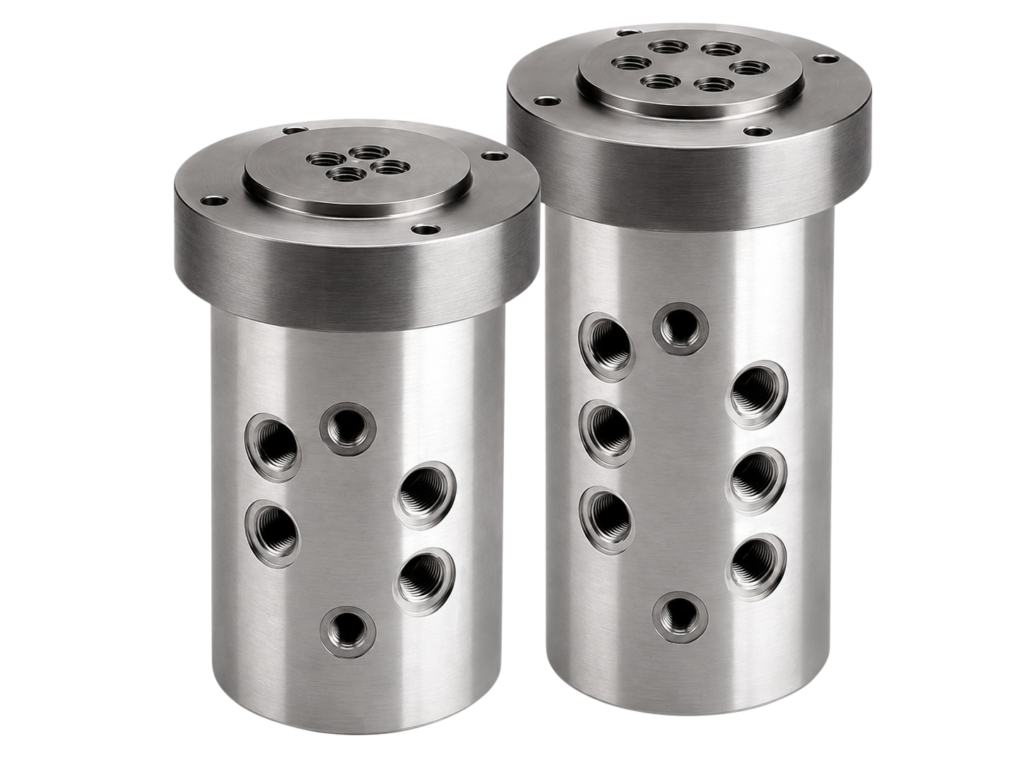
Typical designs: Single-channel rotary unions for standard applications involving water, steam, or thermal oil—multi-channel rotary unions for the simultaneous transfer of multiple media within a compact assembly.
Requirements: high temperatures, high pressures, low-leakage operation, continuous operation, and corrosion resistance.
Selection criteria: medium used, operating temperature, operating pressure, rotational speed, connection sizes, number of media, installation configuration, material of construction, sealing materials, and maintenance requirements. Only a rotary union tailored to the specific application can ensure safe and economical operation over the long term.
Maintenance and Service Life: Regular maintenance, clean media, and adherence to operating parameters extend service life. High-quality rotary unions reduce maintenance costs and unplanned downtime.
Conclusion
Rotary joints are an indispensable component of modern rolling mill and press systems. They enable the reliable transfer of steam, water, thermal oil, and other media between stationary pipes and rotating rolls, and play a key role in ensuring process reliability, energy efficiency, and plant availability.