


Why Rotary Joints Are Indispensable in Hydraulics and Pneumatics
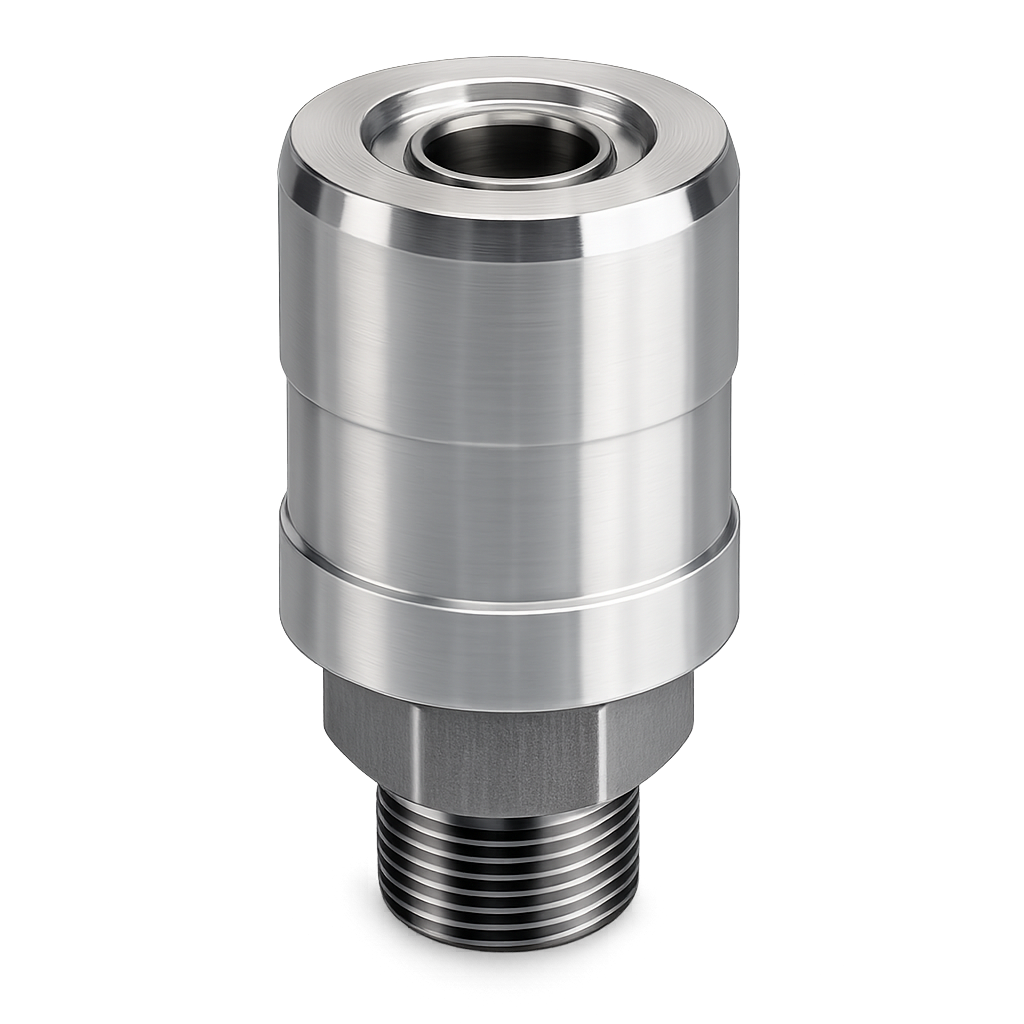
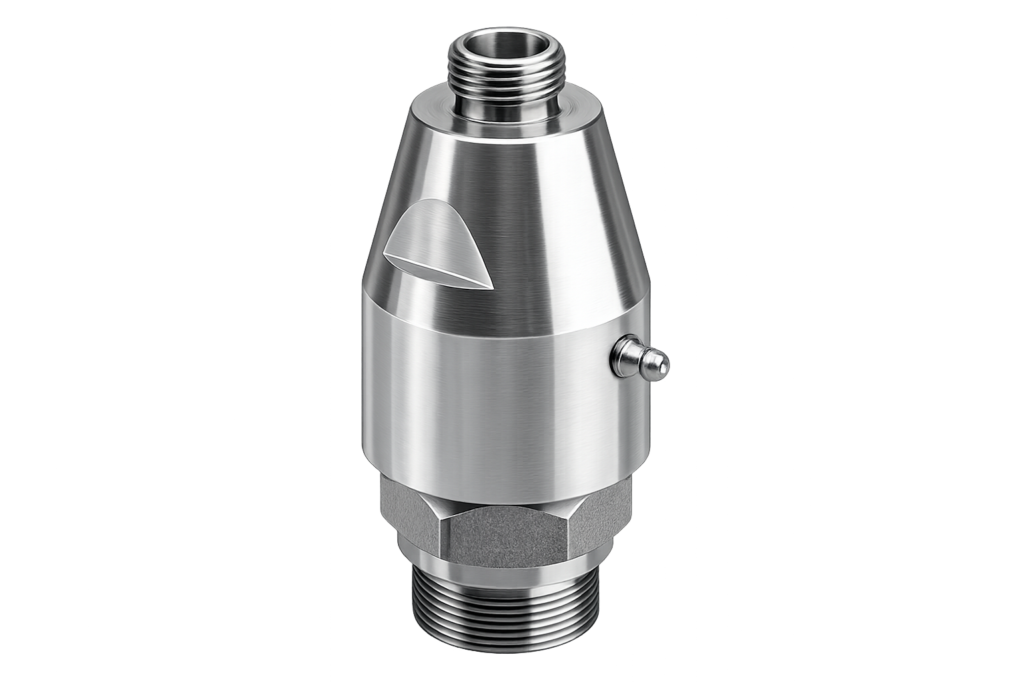
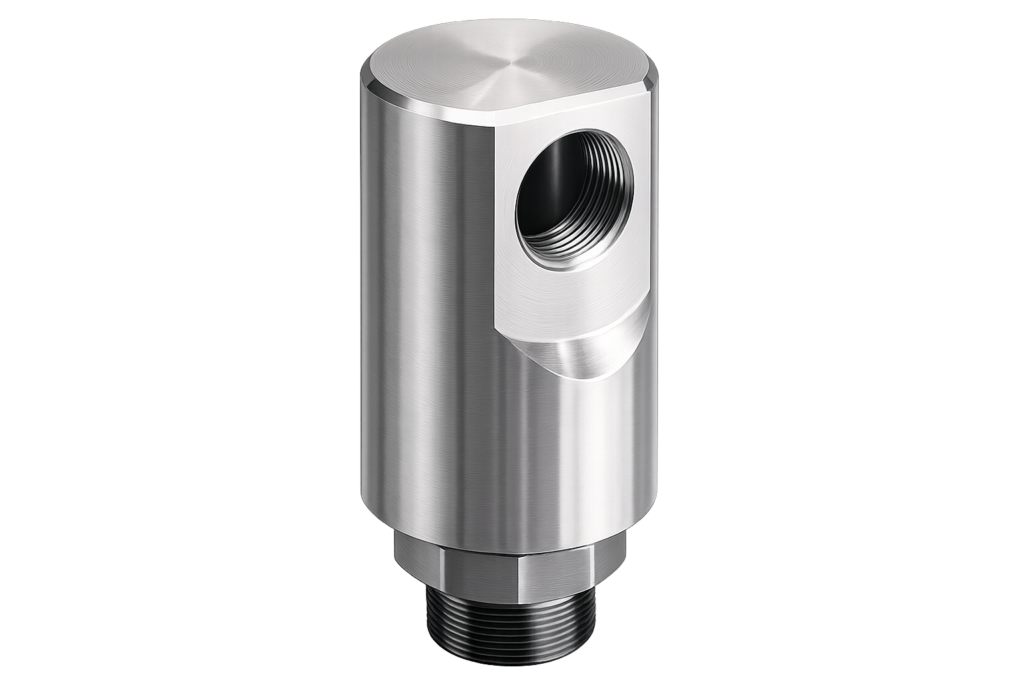
Hydraulic and pneumatic systems are among the most important drive technologies in mechanical engineering. They are used wherever high forces, rapid movements, or precise positioning are required. Whenever machine components rotate continuously and must be supplied with hydraulic oil or compressed air at the same time, rotary unions provide the technical solution for safe and permanently leak-tight fluid transfer.
They connect stationary lines to rotating assemblies and ensure reliable operation even under high pressures, varying loads, and during continuous operation.
Hydraulic and pneumatic systems are used in clamping devices, machine tools, robots, packaging systems, rotary indexing tables, and many other types of machinery. Without rotary unions, hoses would twist with every rotation and become damaged within a short time. The rotary union prevents this and ensures an uninterrupted supply of media.
Typical media
Media TransmissionHydraulic oil
Transfers high forces despite its compact design—used in clamping systems, swivel drives, and tool changers.
More Media
Vacuum, lubricants, coolants, inert gases, and water.
Typical areas of application
Hydraulic Clamping Systems
Reliable oil supply to rotating chucks and clamping devices.
Pneumatic Grippers
A constant supply of compressed air for automated handling systems.
Tool Changer
Reliable fluid supply for rotating tool holders.
Robotics
Supplying pneumatic end-effectors despite continuous rotation.
Testing and Assembly Equipment
Rotating assemblies are continuously supplied with compressed air or hydraulic power.
Advantages of High-Quality Rotary Joints
Low-Leakage Media Transfer
High operational reliability
Reduced maintenance requirements
Long service life
High process reliability
Easy Integration
High Cost-Effectiveness
Selecting the Right Rotary Joint
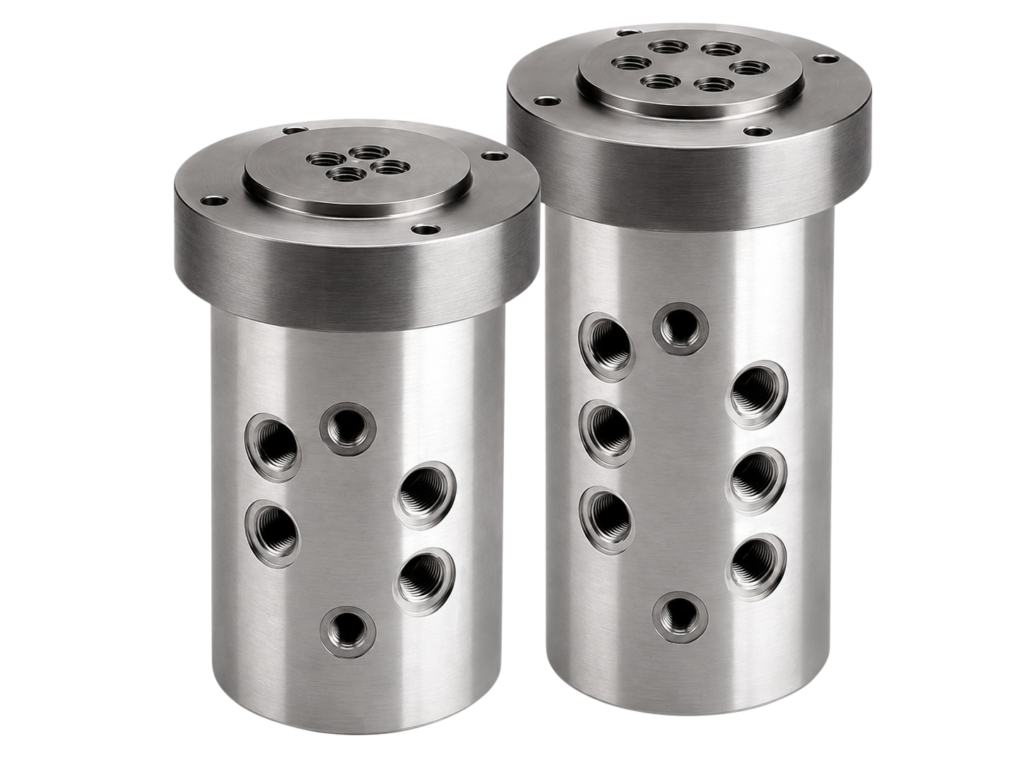
Multi-channel rotary unions: Many machines require hydraulic fluid, compressed air, or other media simultaneously. Multi-channel rotary unions enable the separate transmission of multiple media within a single compact assembly and simplify the design of complex machines.
Requirements: high pressure resistance, high leak tightness, low-wear sealing systems, long service life, low-maintenance design, and compact construction.
Selection criteria: Medium, operating pressure, speed, temperature, number of channels, material, seal material, connection type, and installation space.
Maintenance and Service Life: Regular inspections, clean media, and adherence to the permissible operating parameters significantly extend service life. High-quality materials and precision-engineered sealing systems minimize wear and reduce unplanned plant downtime.
Conclusion
Rotary unions are an indispensable component of modern hydraulic and pneumatic systems. They ensure the safe transfer of hydraulic oil, compressed air, and other media between stationary lines and rotating machine components. Thanks to their high sealing performance, long service life, and robust construction, they make a decisive contribution to the process reliability and cost-effectiveness of modern industrial plants.