
What are the benefits of rotary unions for oil?
Rotating unions for oil-based applications are frequently used in industry to safely feed oil as a lubricant or coolant into rotating systems. They are specially designed to cope with high pressures, temperatures and the chemical properties of oil. These feedthroughs are particularly indispensable in areas where lubrication and cooling processes are crucial for the function and service life of rotating machinery.
Use of Oil as a Medium in Rotary Joints
Areas of applicationNote: The applications listed are only an excerpt and are for illustrative purposes. Due to the large number of possible areas of application, not all use cases can be shown here.
Machine Tools and CNC Machines
In machining technology, e.g. in milling machines and lathes, oil is used as a lubricant and coolant. Rotary unions allow oil to be fed to rotating spindles and tools to reduce friction, control temperature and extend tool life.
Rolling Mills and Press Plants
In metal processing, especially in rolling mills and pressing plants, large rollers and presses are lubricated with oil. Rotating unions ensure that lubricating and cooling oil is continuously supplied, which increases efficiency and reduces wear on the machines.
Hydraulic Systems
In hydraulic systems, such as hydraulic drives, oil is used as a power transmission medium. Rotating unions make it possible to move the oil safely between rotating and stationary components so that pressure and volume flows remain constant.
Automotive and Aviation Industries
In automotive manufacturing, e.g. for drive trains, and in aviation, rotary unions are used to feed engine oil or hydraulic oil to rotating components that are subject to high speeds or temperature fluctuations.
Paper and Plastics Industry
In the manufacture of paper and plastics, machine components such as extruders and rollers are used that must be supplied with lubricating oil or cooling oil. Rotary unions ensure that the oil is effectively supplied to control friction and heat generation.
Wind Turbines
Rotating unions are used in wind turbines to feed lubricating oil into rotating gearbox components. This minimizes wear and helps to extend the service life of the gearbox and bearings in the nacelle.
Advantages of rotating unions for use with oil
Extension of the machine service life
The continuous oil supply minimizes wear on components.
Improved cooling and lubrication
Rotating unions ensure even distribution of lubricating and cooling oil, preventing overheating and material damage.
High efficiency and performance
Rotating unions are adapted to the special requirements of oil and ensure the smooth operation of machines under high loads.
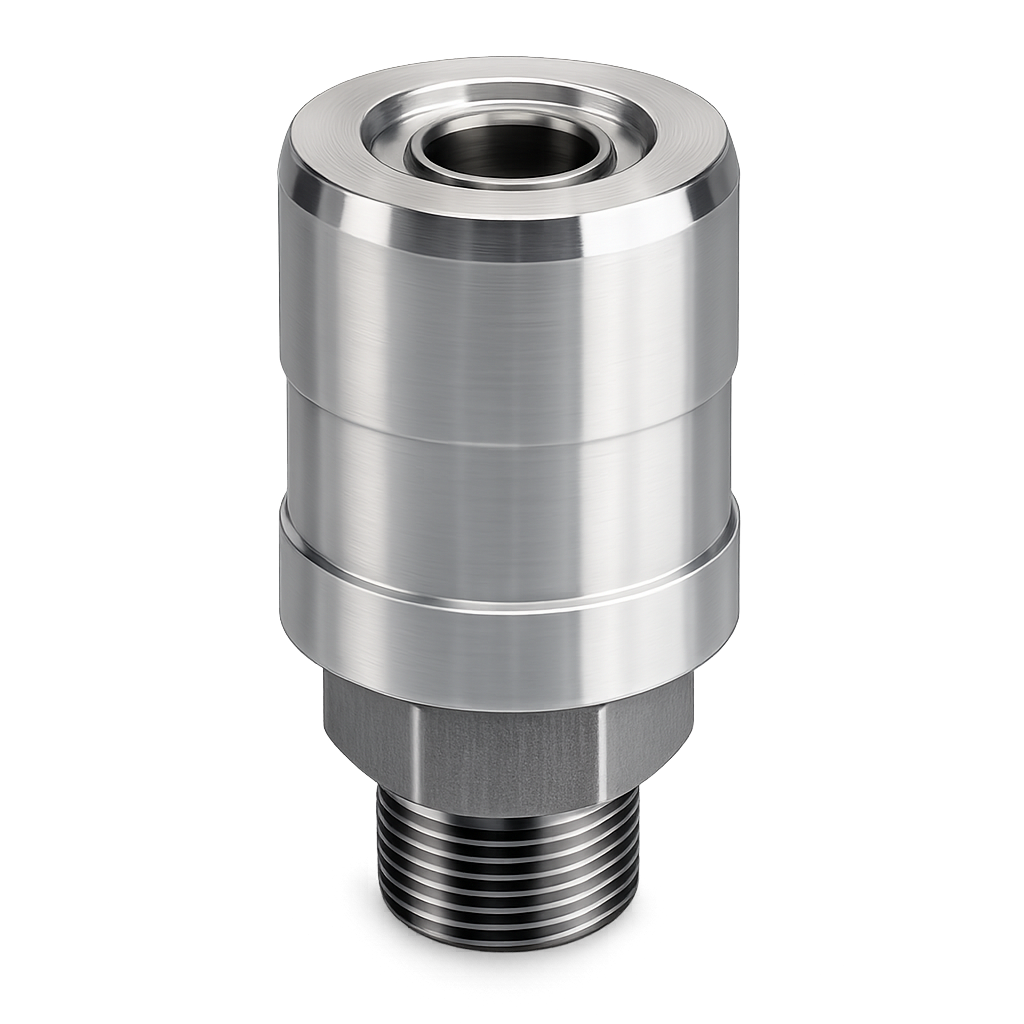
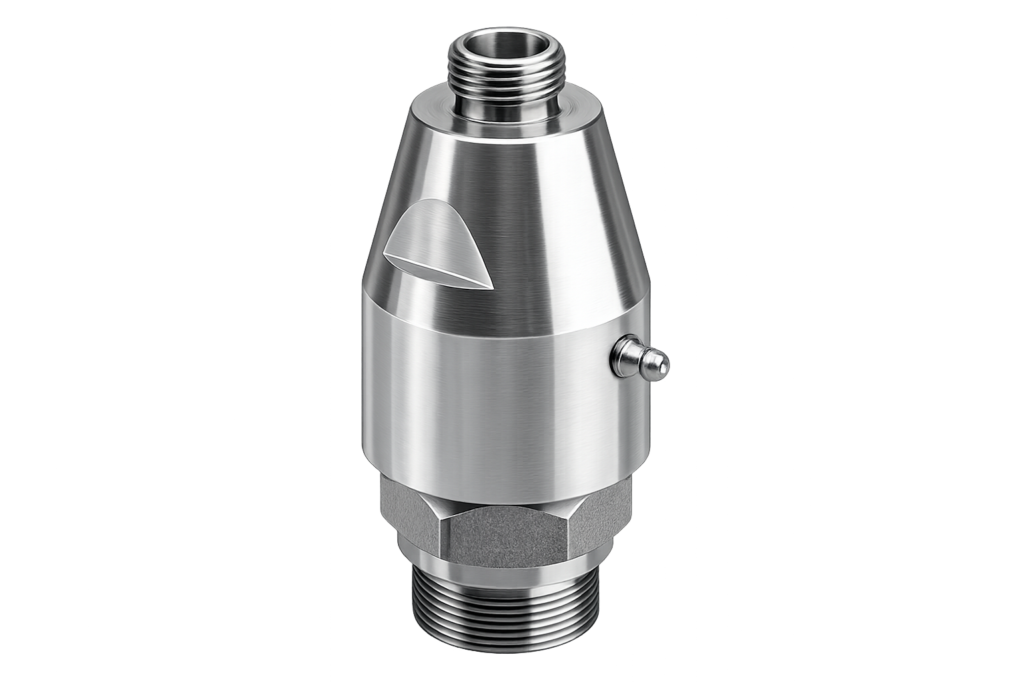
Our rotating unions for the medium oil
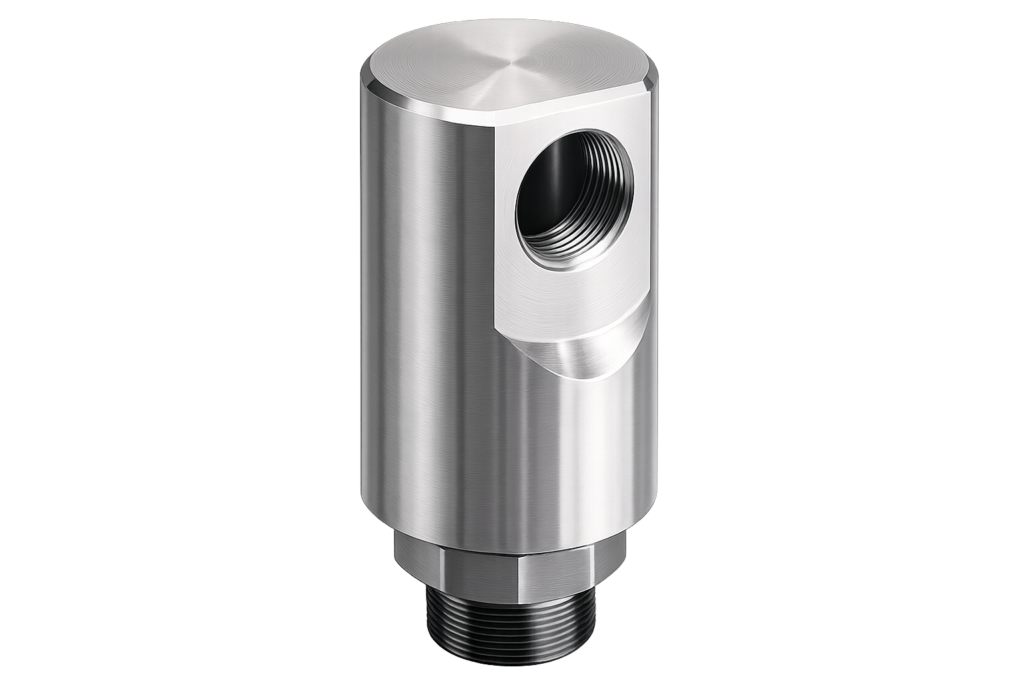
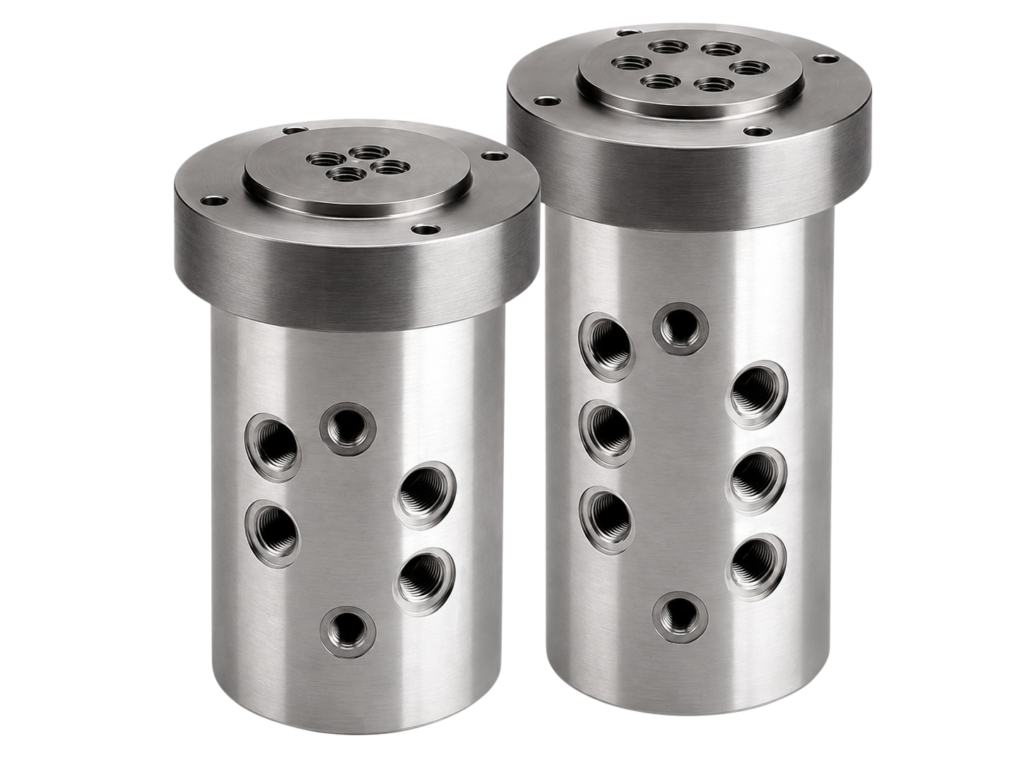
SeriesFour standard types—choose the right design for your application:
Frequently asked questions about rotating unions
Answers to frequently asked questions about our rotary unions.
If you have any questions, please don't hesitate to contact us. You'll receive direct support from our engineering department.
Wofür werden Drehdurchführungen für Öl eingesetzt?
Sie leiten Öl als Schmier- oder Kühlmittel sicher in rotierende Systeme – etwa zu Spindeln und Werkzeugen in Werkzeugmaschinen, zu Walzen in Walz- und Presswerken oder zu rotierenden Getriebekomponenten in Windkraftanlagen. Unverzichtbar sind sie überall dort, wo Schmier- und Kühlprozesse für Funktion und Lebensdauer rotierender Maschinen entscheidend sind.
Welchen Belastungen halten Öl-Drehdurchführungen stand?
Sie sind speziell dafür konstruiert, hohe Drücke, hohe Temperaturen und die chemischen Eigenschaften von Öl zu bewältigen – auch bei hohen Drehzahlen und Temperaturschwankungen, wie sie zum Beispiel in der Automobil- und Luftfahrtindustrie auftreten.
Wie tragen Öl-Drehdurchführungen zur Maschinenlebensdauer bei?
Durch die kontinuierliche Ölzufuhr wird der Verschleiß von Bauteilen minimiert. Die gleichmäßige Verteilung von Schmier- und Kühlöl verhindert Überhitzung und Materialschäden – das steigert Effizienz und Leistungsfähigkeit auch bei hohen Belastungen.
Eignen sich Öl-Drehdurchführungen auch für Hydrauliköl?
Ja. In hydraulischen Systemen wird Öl als Kraftübertragungsmedium verwendet. Drehdurchführungen bewegen das Öl sicher zwischen rotierenden und stationären Komponenten, sodass Druck- und Volumenströme konstant bleiben.


